Buses and trains earn high marks
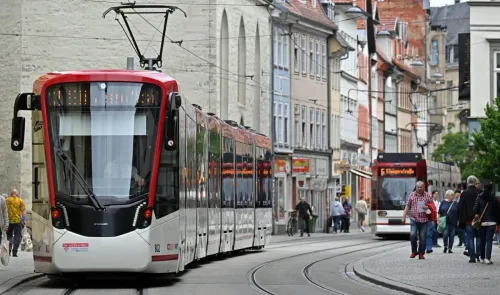
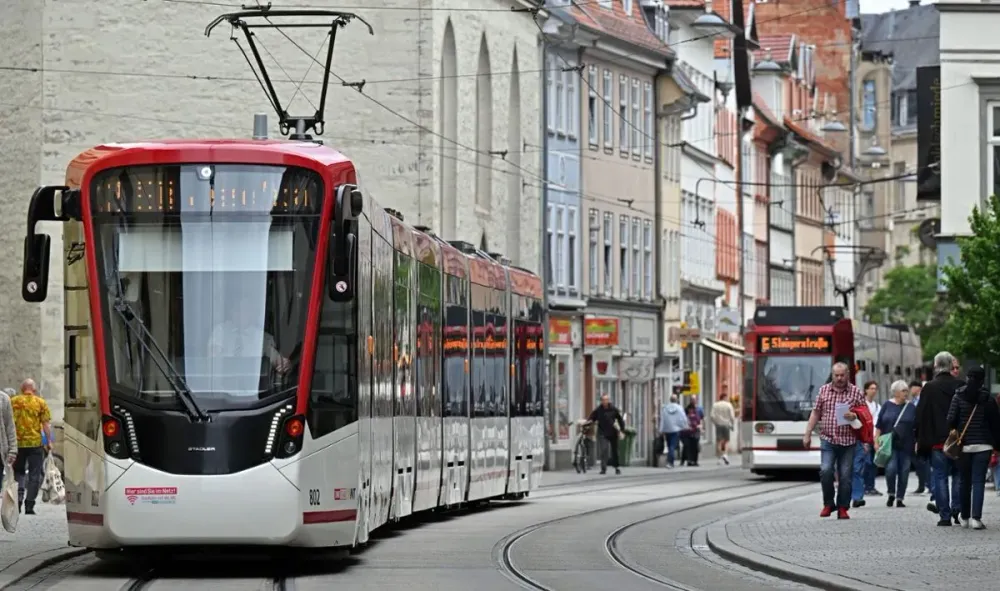
Erfurt rose from second place in the 2021 public transit ranking to first in 2026, ahead of Rostock. ADAC reported a marked improvement in satisfaction, with residents and commuters particularly praising the reliability of buses and trains, service frequency and the many direct connections.
The survey assessed four ways of getting around: driving, cycling, walking and public transit. While Erfurt's public transit scores improved, satisfaction with each of the other three modes declined slightly.
Road conditions and other road users draw criticism
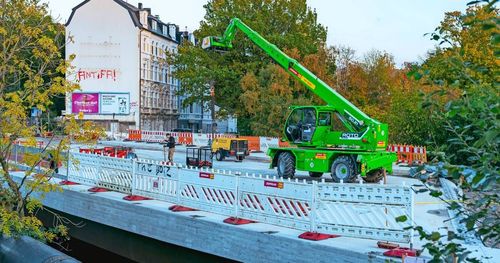
For driving in Erfurt, respondents identified roadwork management and road conditions as areas needing improvement. Cyclists criticized e-scooter riders' behavior and the availability of bike paths, while pedestrians reported that other road users sometimes behaved inconsiderately.
Despite those concerns, Erfurt and Augsburg were the only cities with car satisfaction indexes still in slightly positive territory. Across the 29 cities, driving was the only mode with a negative index, at -9. Public transit and walking each scored +28, followed by cycling at +20.
Erfurt holds steady as most cities decline
Münster led the overall ranking with an index of +32. Freiburg im Breisgau placed second and Erfurt third, both with scores of +29. ADAC described satisfaction with mobility in Erfurt as high.
Across all four modes and all 29 cities, the overall satisfaction index dropped four points from 2021, from +21 to +17. Only Mönchengladbach, Kiel, Potsdam and Karlsruhe improved, with Mönchengladbach recording the largest gain. Erfurt, Augsburg and Bielefeld held steady; every other city declined.
Oberhausen finished last, falling from eighth place in 2021 to 29th. Its overall index dropped from +26 to -1, leaving it as the only city with a negative overall score, according to ADAC NRW.
Survey scope and participants
ADAC conducted the study with Munich-based market research institute komma in June 2026. It covered 11,605 interviews, roughly 400 in each of 29 German cities with fewer than 500,000 residents.
Participants assessed 66 aspects of personal mobility. All were at least 18 years old and traveled around the city in question an average of at least two days a week.