Reported deaths approach 5,000
The World Health Organization's October 23 update put the DRC's cumulative total at 9,704 confirmed cases and 4,687 deaths through October 20, 2026. Cases had been recorded in 66 health zones across eight provinces, with a crude case fatality ratio of 48.3%.
By late October, the death toll was nearly 5,000. NPR described the outbreak as the fastest-spreading Ebola outbreak on record and the second-largest ever. The WHO said it was the largest recorded in the DRC, regardless of which Ebola virus species caused it. The 2014-2016 West Africa outbreak killed more than 11,000 people.
Transmission beyond contact-tracing networks
Concerns about undercounting predate the latest figures. According to the Congressional Research Service, the WHO warned in mid-July that the outbreak's true scale could be "at least two to four times" what reported case data indicated. That assessment reflected the large share of newly identified patients who had not appeared on existing contact-tracing lists; it was not a separate estimate of deaths.
The surveillance gaps continued into late September, when more than 80% of newly identified cases reportedly involved people absent from those lists, according to the Congressional Research Service. That pattern indicated widespread ongoing transmission that surveillance efforts were not capturing.
The virus also appears to have spread before authorities declared the outbreak in May 2026. NPR reported that evidence points to transmission beginning in February or March, leaving roughly two to three months of undetected spread in communities.
Community deaths and barriers to care
Deaths outside health facilities are harder to detect and count. In its October 23 update, the WHO reported 482 additional deaths since its previous update: 307 in communities and 175 in treatment centers.
The broader pattern has changed little for months, according to Douglas Noble, UNICEF's global incident manager for Ebola. He told NPR that roughly two-thirds of deaths in the outbreak were occurring in communities rather than treatment centers.
Distrust is one barrier to seeking care. In an October 2026 International Rescue Committee survey in North Kivu, an outbreak hotspot, 85% of respondents said distrust of community responders was keeping them from seeking care. Such delays contribute to people arriving late for treatment and dying in their communities.
Imported cases and an experimental vaccine trial
Other countries have reported cases linked to the outbreak. Kenya confirmed its first laboratory-confirmed imported case on October 6, 2026. The patient had traveled from the DRC through Uganda and died in Nairobi.
Nigeria confirmed an imported case in Abuja on October 20, becoming the fifth affected country after the DRC, Uganda, France and Kenya. The patient had traveled from Uganda.
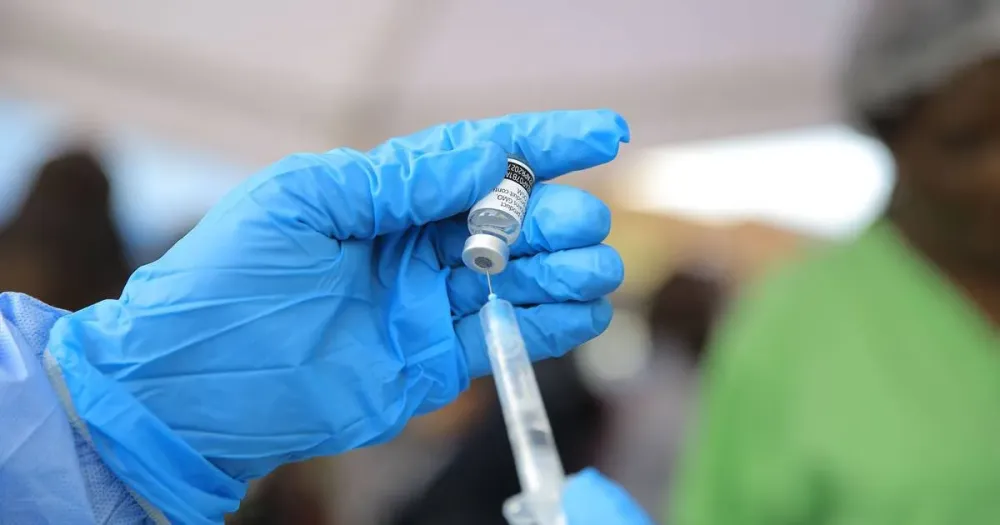
No vaccine or specific treatment is yet licensed for the Bundibugyo species. On October 23, the TUMAINI trial began enrolling its first participants in Bunia, DRC. The pivotal Phase 2/3 clinical trial is testing vaccine candidates against Bundibugyo virus.